If you’re trying to find a body repair shop but you’re not sure exactly what to look for, our ultimate guide to body repair is here to help.
Being in a car accident can be stressful and traumatic, and there are many decisions you need to quickly make after you’ve ended up in one. We’ve created this guide to help you better understand the body repair process, and return your car to pre-accident condition.
- What to Do After a Car Accident
- What to Do When Your Accident Damage Isn’t Repaired Properly
- 5 Collision Repair Myths
- 3 Reasons You Should Quickly Repair The Dents on Your Car
What is car body repair?
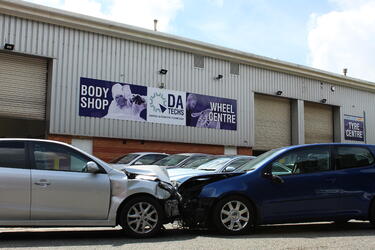
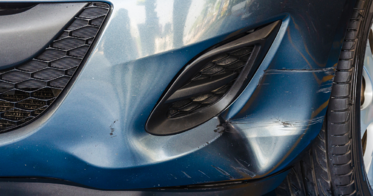
Car body repair refers to the process of restoring a vehicle’s exterior panels, bumpers, and paintwork to its original condition, typically following a collision or accident, but sometimes as a result of general wear and tear.
Generally, body work only means the non-mechanical aspects of car repair, such asdents, scratches, or rust. Depending on the cause of damage, you may need to manage an insurance claim alongside seeking repairs.
What should you do immediately after an accident?
After a car accident, you need to take a few steps to ensure you are following all legal processes properly:
- Stop and turn off your engine
- Check for injuries for all parties
- Get out of the vehicle and assess the situation
- Exchange details with other parties involved
- Ring your insurer and provide details
The details you should exchange include name, address, vehicle registration number, and vehicle owner name/address (if not your own). It’s not a legal requirement to provide your insurance details, but we’d suggest that you do.
From here, you need to find a suitable repair shop, and you have a right to find your own garage.
Methods of car repair
There are a variety of methods of car repair depending on the type of damage and vehicle.
Common Types of Vehicle Body Damage and When to Seek Repair:
- Surface Damage – Often resulting from minor incidents like shopping carts or hedges, these are the most frequent issues. Prompt treatment is vital to prevent long-term problems like rust and corrosion.
- Minor Indentations – These typically occur from small collisions or parking errors. For superficial, shallow damage, paintless dent removal (PDR) is a common and effective repair method.
- Bumper Damage – Since bumpers absorb the impact of most low-speed accidents, they frequently need either full replacement or specialised repair.
- Corrosion – This is a progressive issue caused by prolonged moisture exposure, often developing in areas where existing bodywork damage has been left untreated.
- Structural Damage – The most severe form of damage, typically stemming from serious accidents. This type of trauma can compromise the vehicle’s structural integrity, affecting both alignment and passenger safety.

Car repair and insurance
If the repairs you need are as a result of an incident you were involved in, whether or not it was your fault, you’re going to need to claim on insurance for car repairs. Using an insurance-approved body shop means you can rely on a certain level of quality when it comes to repairs, we’ll also help to manage the insurance claims process too.
Failing to communicate with your insurer with the correct information can lead to rejected claims or low-quality repairs. That’s why ST Accident Repairs manages the insurance process from start to finish to ensure reliable repairs and successful insurance claims.
How to find the right local body shop
Finding the right local body shop means reviewing your local insurance-approved options and finding a garage you can trust to deliver top-quality repairs. We’ll assess the damage before developing an action plan to restore your vehicle to its original condition.
Get in touch with us today for reliable body work.